
leh ladakh
Pangong Tso Lake
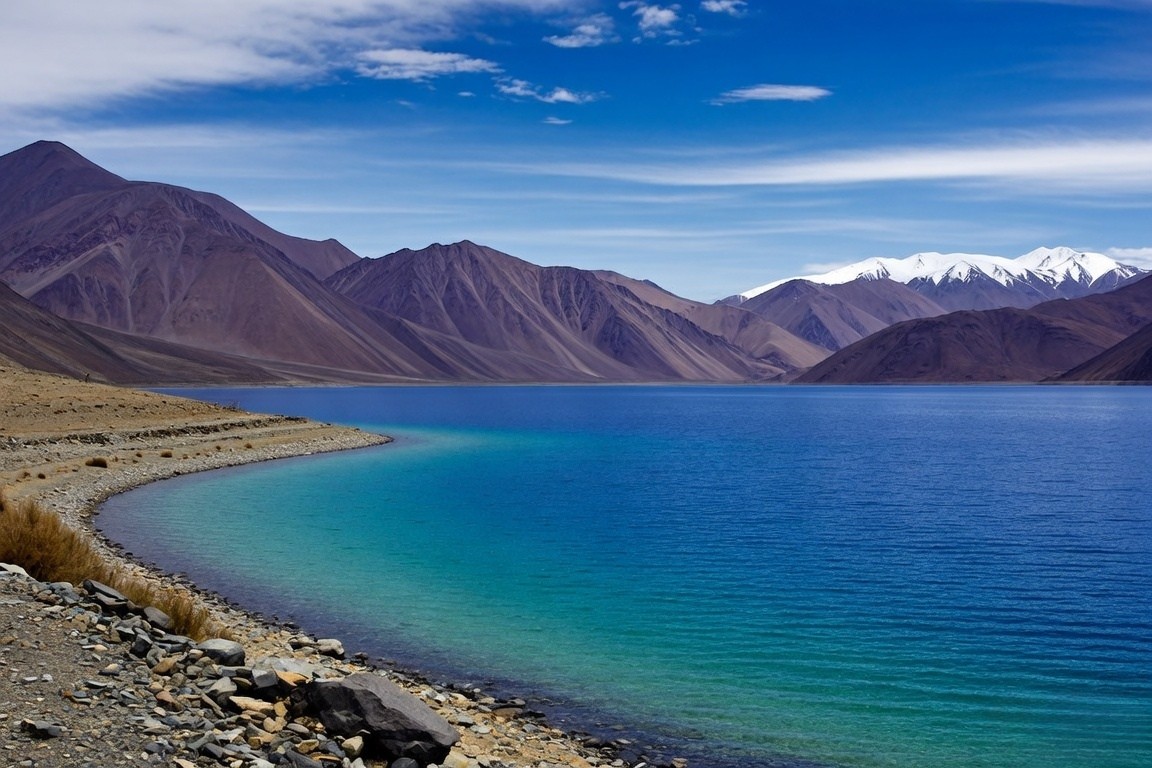
Why Pangong Tso Lake is so much famous
You haven’t truly seen the Himalayas until you stand beside the breathtaking waters of Pangong Tso. Sitting high in the rugged Changthang region, this massive alpine lake is world-famous for changing colors from brilliant turquoise to deep cobalt throughout the day. Book your Ladakh tour today to wander along its serene shores and witness one of the earth’s most dramatic landscapes up close.
Nubra Valley
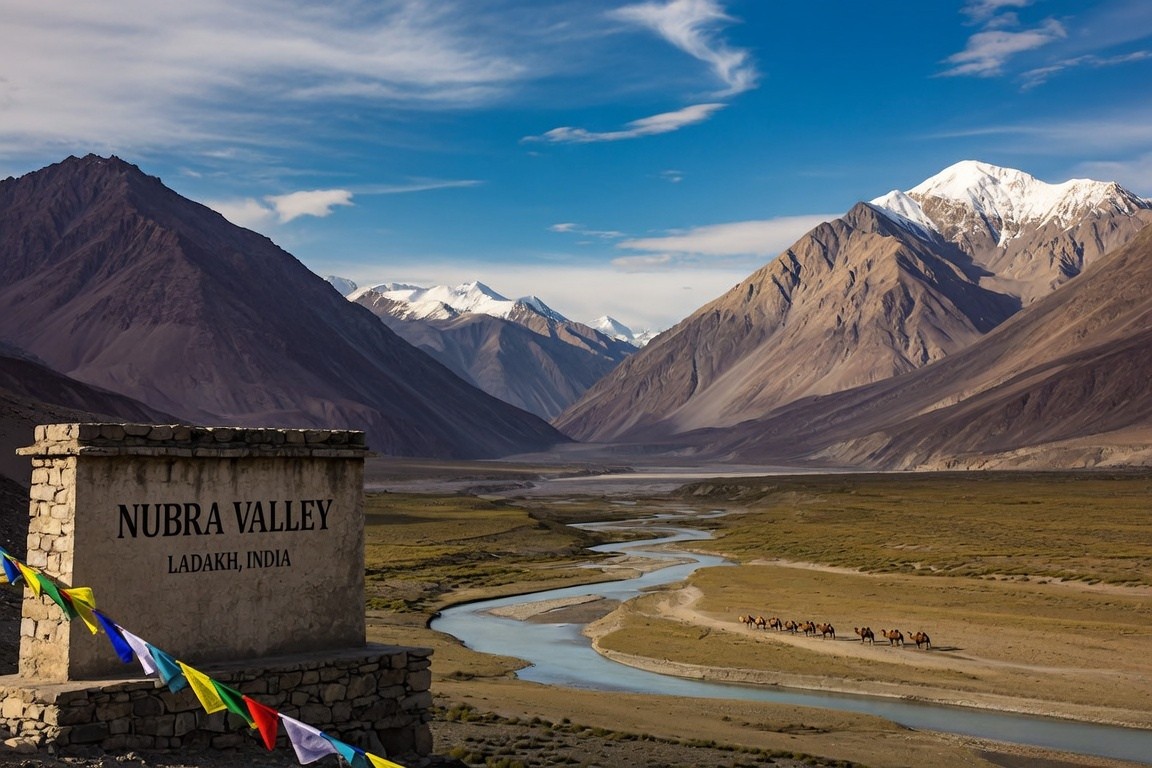
Why Nubra Valley is so much famous
Travel past the legendary Khardung La Pass to explore the stunning landscapes of Nubra Valley. Known historically as the valley of flowers in Ladakh, this high-altitude desert features a unique mix of towering rocky mountains, green villages, and white sand dunes. Book your tour with us today to ride the rare double-humped camels and discover an incredible adventure along the ancient Silk Road route.
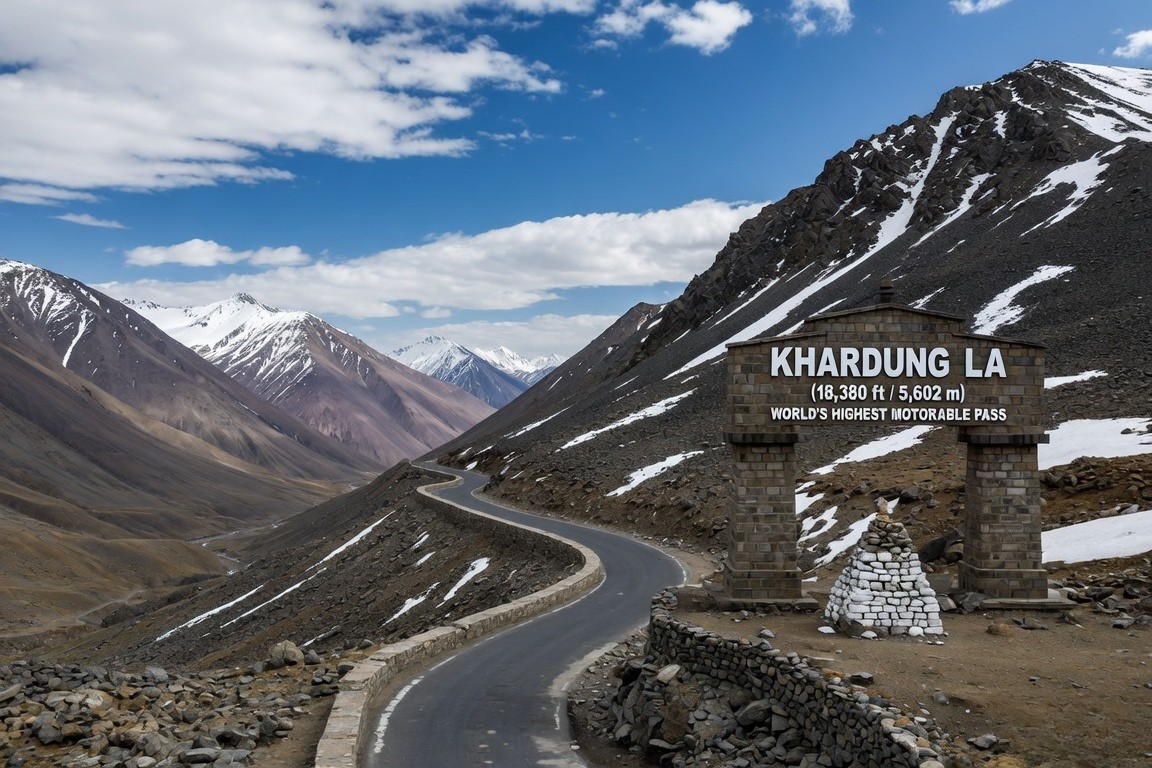
Why Khardung La Pass is so much famous
If you love pure adventure, riding up Khardung La is an absolute bucket-list experience. Standing at a staggering 17,582 feet, this legendary pass serves as the dramatic mountain gateway connecting Leh to the Nubra Valley. The rugged roads and steep switchbacks are challenging, but the sweeping views of the Karakoram range are unbeatable. Book your Khardung La tour today to conquer one of the ultimate mountain passes in Ladakh!
Khardung La Pass
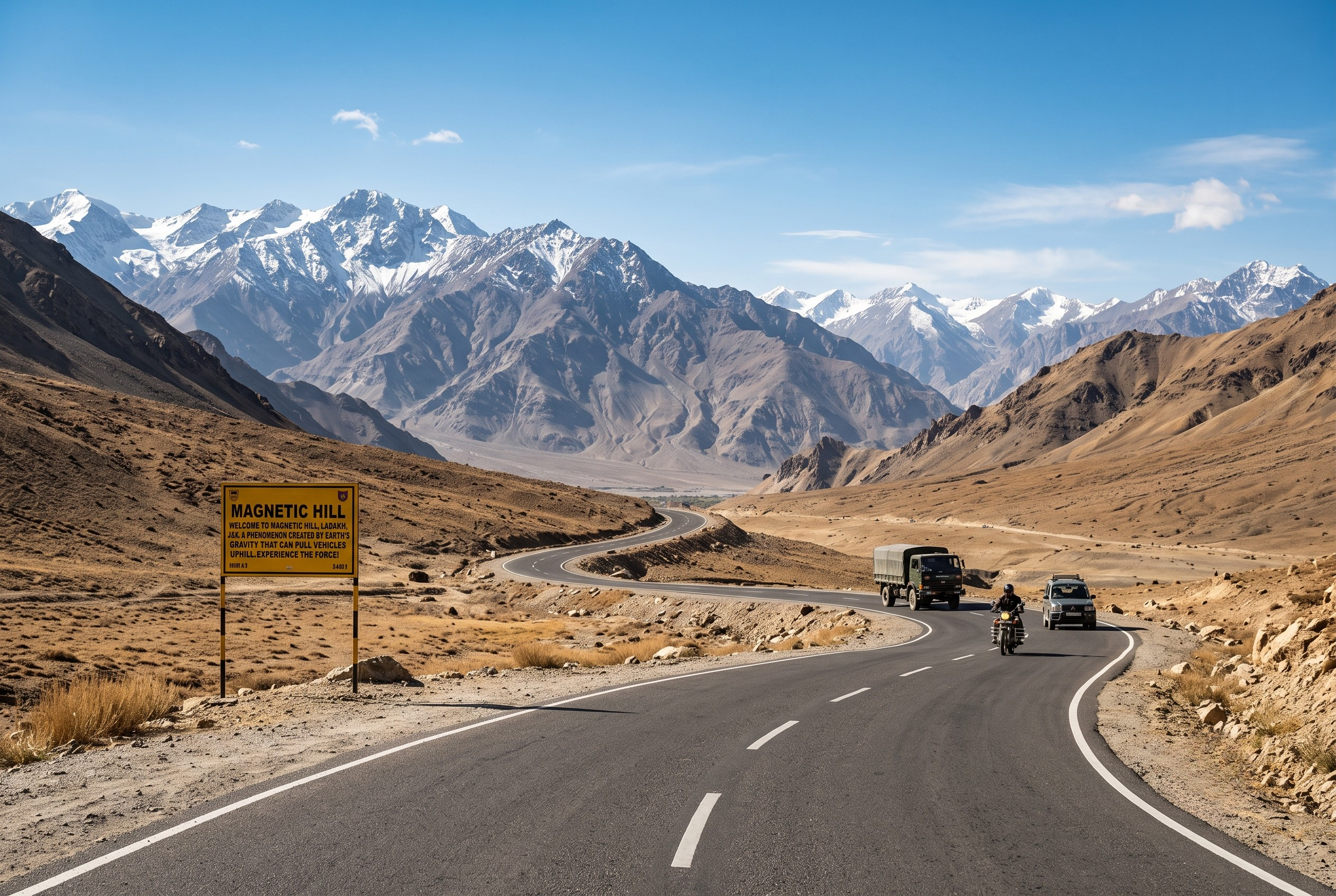
Why Magnetic Hill is so much famous
Get ready to question your eyes at the famous Magnetic Hill. Located right on the highway just outside Leh, this unique spot features a mind-bending optical illusion. If you park your car in neutral inside the marked box, it looks like it is rolling uphill all on its own! Book your Leh sightseeing tour today to experience this fun, gravity-defying phenomenon for yourself.
Magnetic Hill
Shanti Stupa
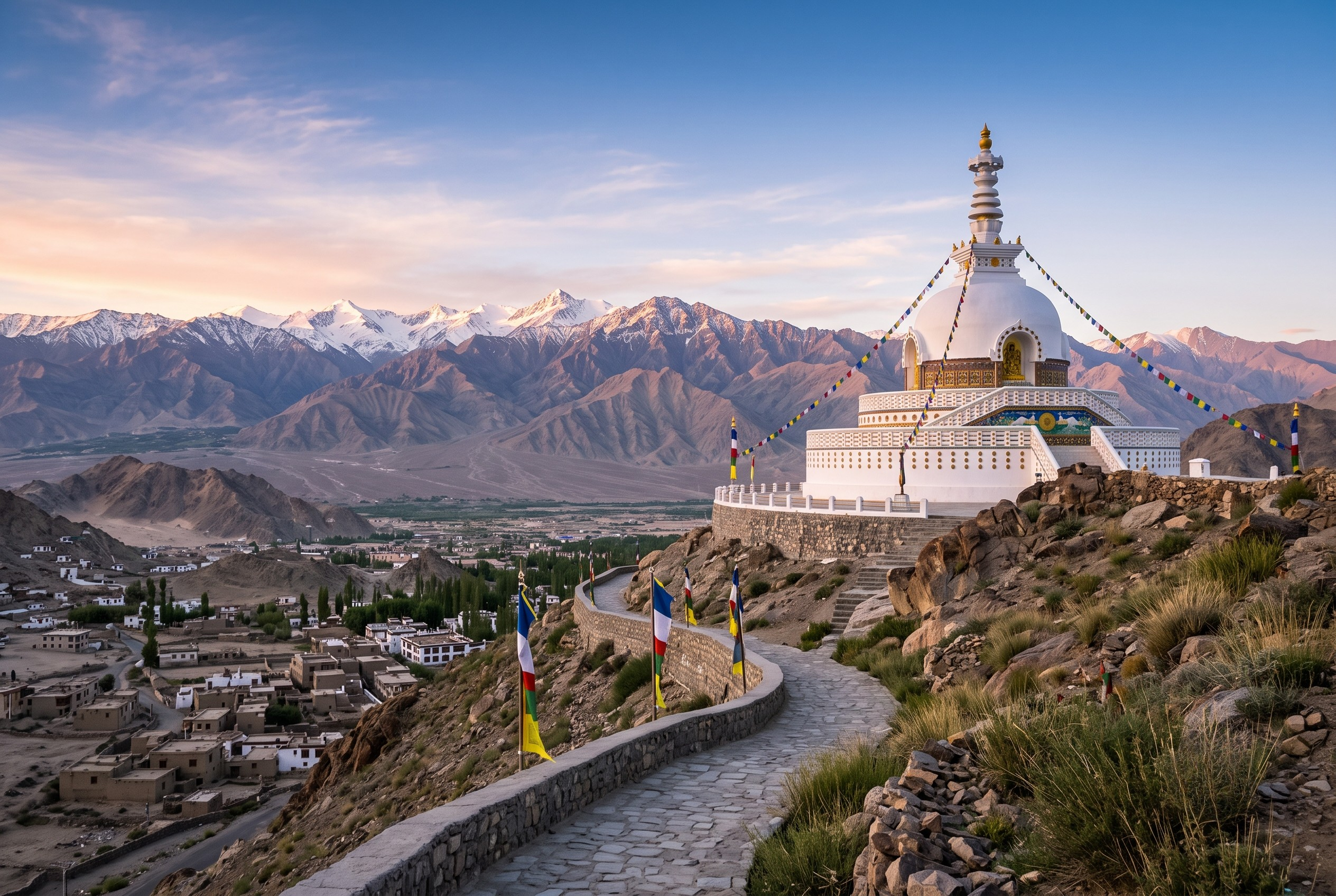
Why Shanti Stupa is so much famous
For the absolute best views of the valley, make your way up to Shanti Stupa. Built on a steep hilltop by Japanese and Ladakhi monks, this beautiful white-domed monument stands as a proud symbol of world peace. It is incredibly peaceful up here, making it the perfect spot to watch the sunset over the mountains. Book your Leh city tour today to experience this stunning spiritual landmark up close.
F.A.Q.
Answer:
The best months to visit Leh Ladakh are from June to September. During this summer window, the Srinagar-Leh and Manali-Leh national highways are fully cleared of snow and open for road trips. The weather is pleasantly crisp, with daytime temperatures ranging between 15°C and 25°C, making it perfect for sightseeing. If you want to see frozen landscapes and experience the famous Chadar Trek, the peak winter months of January and February are ideal. Plan your ultimate Ladakh adventure with us today to book the best itinerary for your preferred season.
Answer:
A minimum of 7 to 9 days is highly recommended for a complete Leh Ladakh tour. A standard well-paced itinerary should look like this:
Days 1–2: Rest and complete rest in Leh town for mandatory altitude acclimatization.
Days 3–4: Drive through the iconic Khardung La Pass to explore Nubra Valley and enjoy a double-humped camel ride at Hunder sand dunes.
Days 5–6: Travel to the breathtaking, color–changing Pangong Tso Lake and return to Leh via Chang La Pass.
Days 7–8: Visit local attractions like Shanti Stupa, Leh Palace, Magnetic Hill, and the Indus River Confluence (Sangam).
Answer:
Yes, foreign tourists need a Protected Area Permit (PAP) to visit some areas in Ladakh like Nubra Valley and Pangong Lake.
Indian citizens do not need this permit. Your tour operator or hotel in Leh can easily arrange the permit for you in 1 day. It is simple and low cost. Always carry your passport and permit while traveling to inner areas.
Answer:
You can reach Ladakh in two ways:
By Flight (Fastest & Easiest): Direct flights from Delhi, Mumbai, Bangalore, and other major cities to Leh Airport. Takes 1.5 to 2 hours.
By Road: You can drive or take a bus via Manali–Leh Highway or Srinagar–Leh Highway. This takes 2 to 3 days but offers beautiful views.
Most tourists prefer flying to Leh for comfort.
Answer:
Altitude sickness is common in Ladakh because Leh is at 3,500 meters. Here’s how to stay safe:
- Rest for the first 2 days in Leh after arrival.
- Drink plenty of water (3–4 liters daily).
- Avoid alcohol and heavy food on the first few days.
- Walk slowly and do not rush.
- Eat light meals and take rest if you feel headache or nausea