
places to visit in goa
Baga & Calangute Beaches in goa
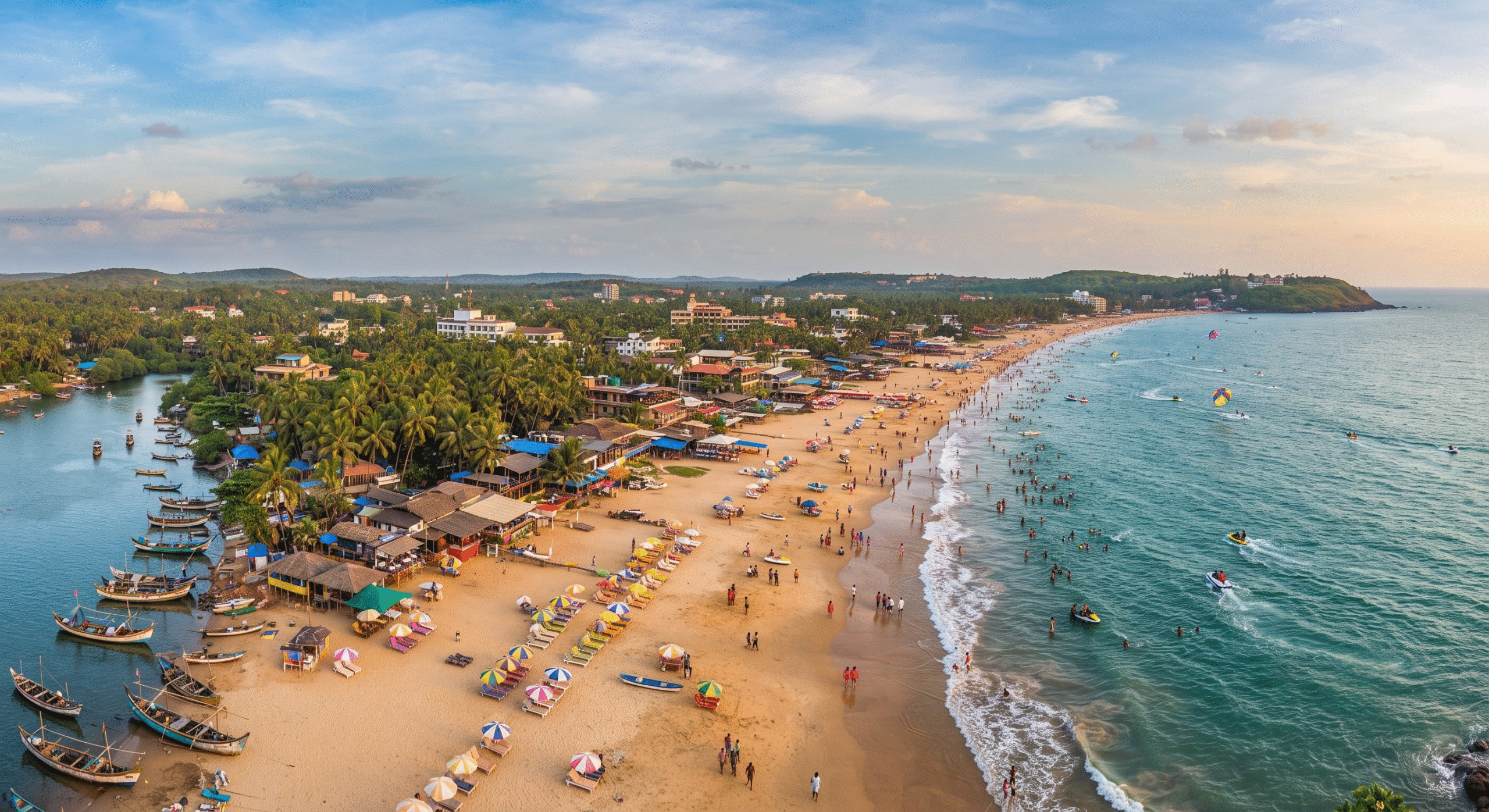
Baga & Calangute Beaches in goa is so much famous tourist attraction
Calangute and Baga form the liveliest stretch of sand in North Goa. What started decades ago as a quiet hangout for hippies is now a bustling hub packed with energy. It is the perfect spot if you want to mix sunbathing with jet-skiing or parasailing. The wide beach offers great morning walks and transitions into a strip of lit-up seafood shacks after sunset.
Basilica of Bom Jesus
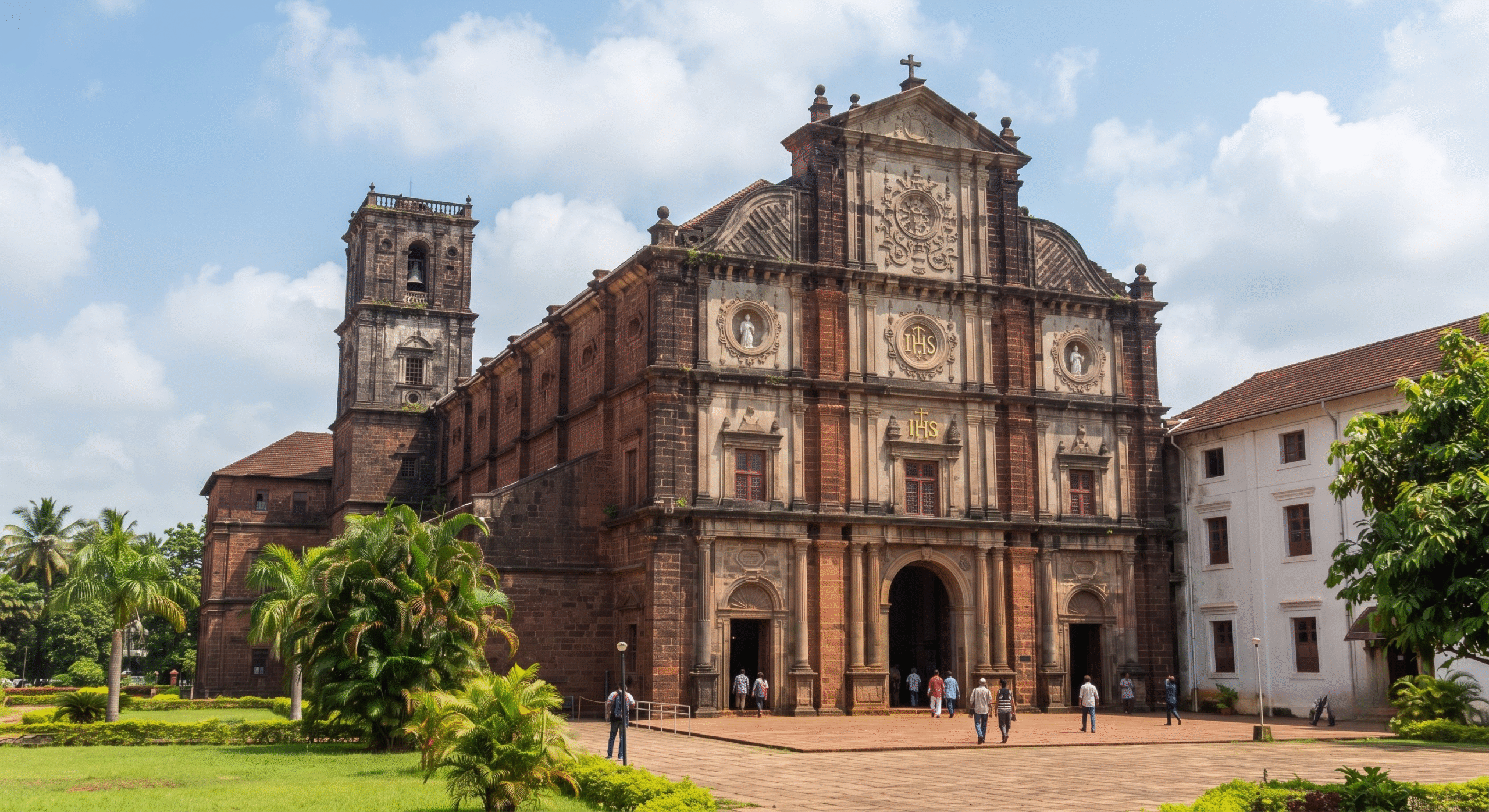
Why this Basilica of Bom Jesusis so much famous tourist attraction
Located in Old Goa, the Basilica of Bom Jesus dates back to 1605. This UNESCO World Heritage Site stands out immediately due to its unplastered, dark laterite stone exterior. Inside, the church features classic Baroque design and holds the sacred, preserved remains of Saint Francis Xavier. It remains a key landmark for anyone wanting to see the architectural history of the old Portuguese capital.
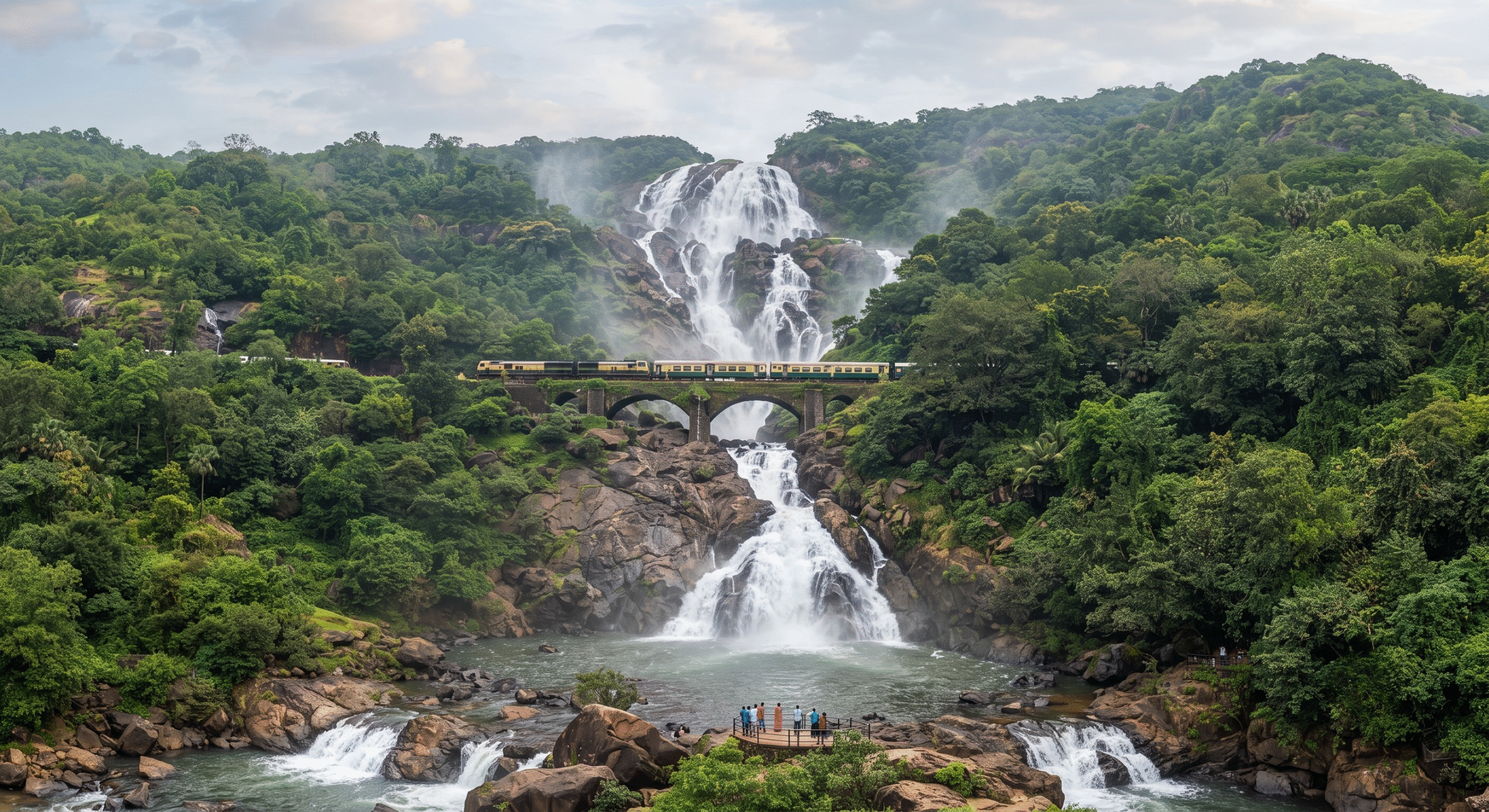
You need to know about Dudhsagar Falls
Located on the Goa-Karnataka border inside Mollem National Park, Dudhsagar Falls is a massive four-tiered cascade dropping 310 meters. The white waters roar directly past a historic railway bridge, surrounded by the dense forest of Bhagwan Mahavir Wildlife Sanctuary. Reaching the base involves a bumpy jeep safari through jungle trails, offering a raw look at the region’s wilderness away from the coastal beaches.
Dudhsagar Falls
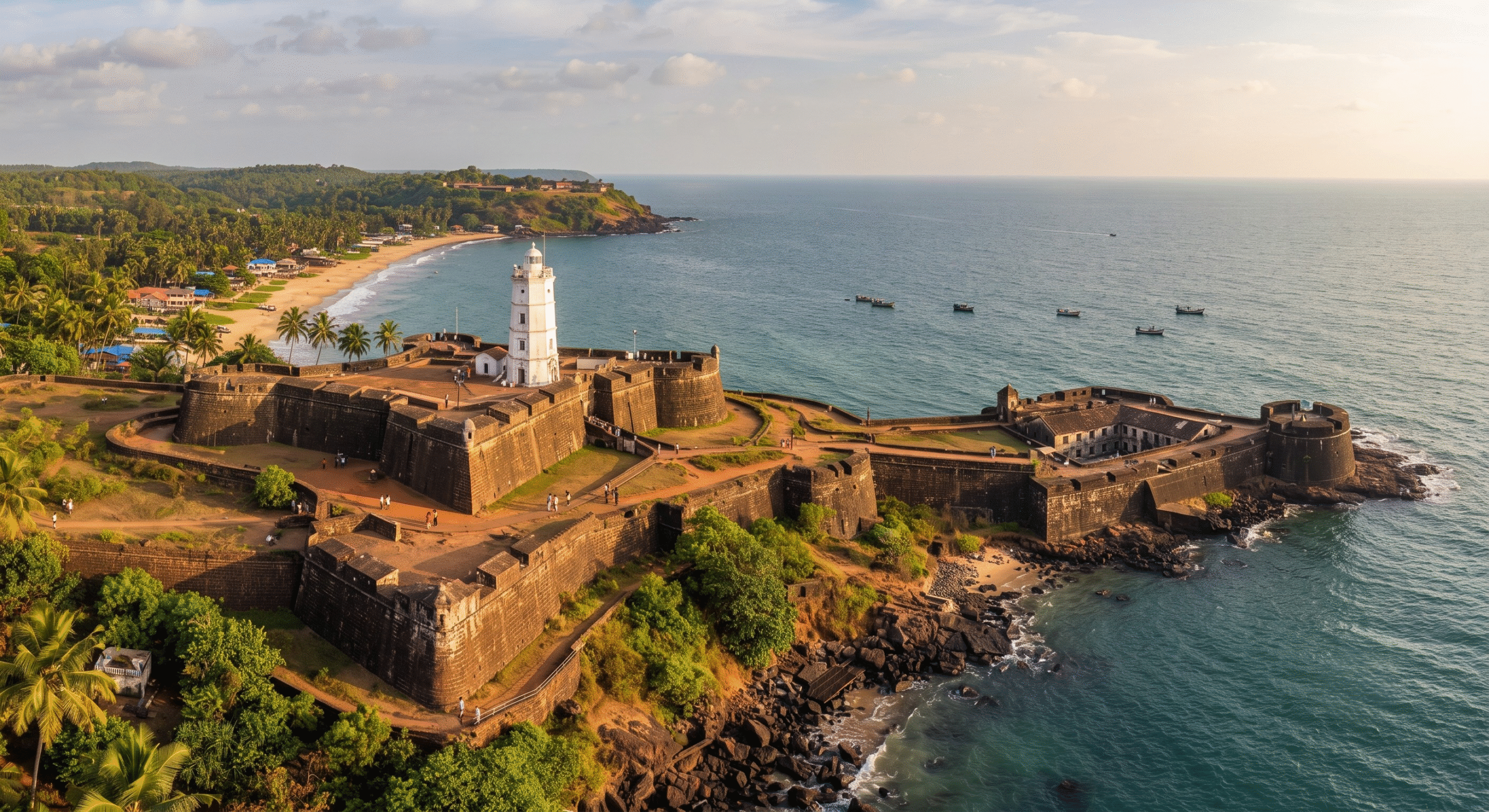
you must go to Fort Aguada
Built between 1609 and 1612, Fort Aguada sits on a rocky headland where the Mandovi River meets the sea. The Portuguese constructed this massive stone fortress to guard against enemy ships. Named after the Portuguese word for water, the site features a large freshwater spring that once supplied passing vessels. The upper ramparts still hold a historic seventeenth-century lighthouse and open views of the coast.
Fort Aguada
Chapora Fort
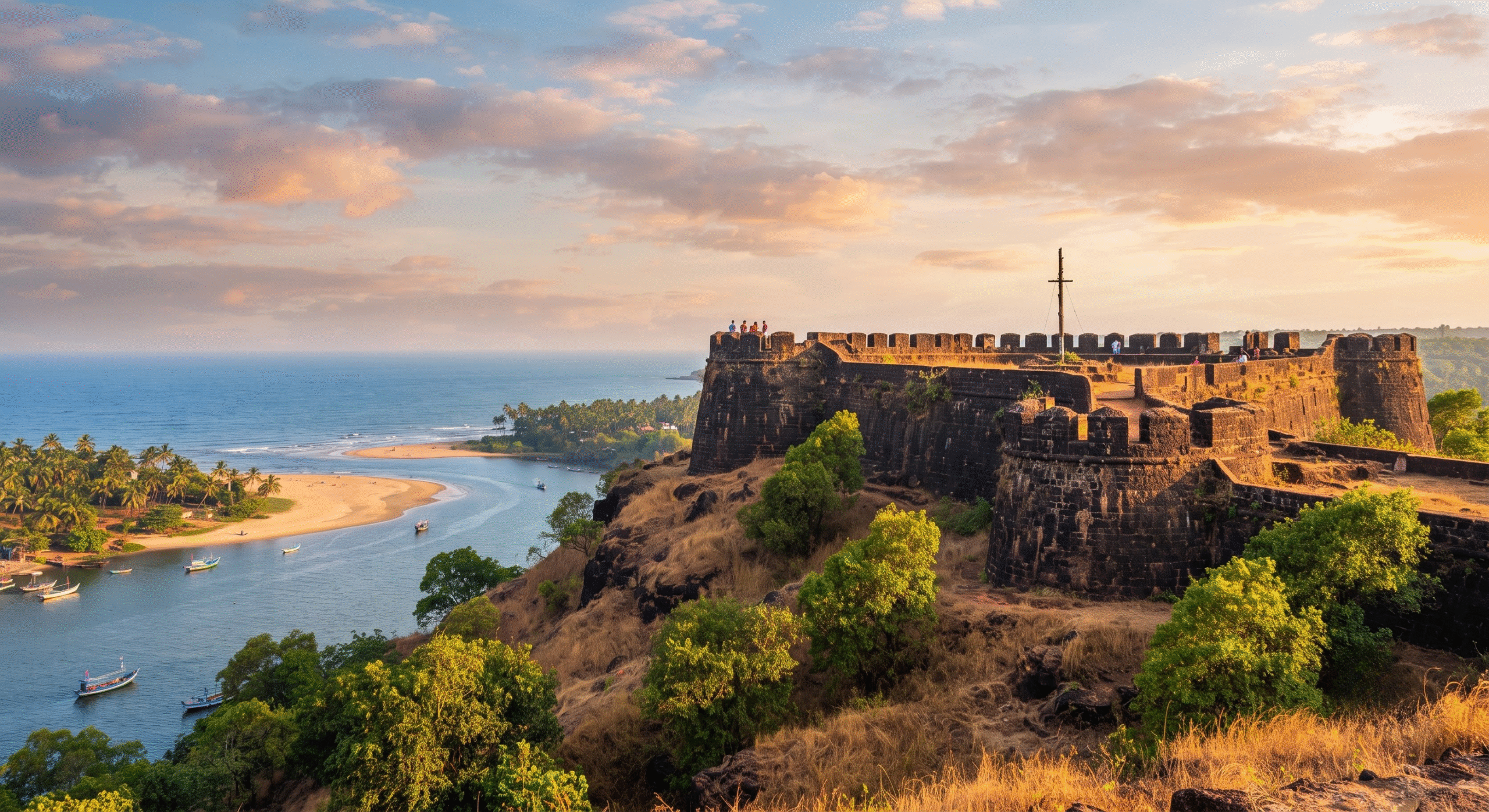
This is very famous Chapora Fort in GAo
Located at Sinquerim, Fort Aguada is a seventeenth-century laterite fortress built by the Portuguese to guard the Mandovi River against Dutch and Maratha fleets. The name comes from a hidden freshwater spring inside the walls that once resupplied passing European ships. Today, visitors can explore the heavy stone battlements and see the historic four-story lighthouse, which provides wide views across the Arabian Sea coastline.
F.A.Q.
Answer:
The ideal time to visit Goa is between November and February when winter brings clear skies and mild temperatures. This peak window sees all beachfront shacks operating and the coastal nightlife fully active. For lower prices and fewer crowds, the summer months from March to May or the monsoon period between June and September offer alternative travel, with the rainy season highlighting inland waterfalls.
Answer:
Choosing between Goa’s regions depends entirely on your pace. North Goa serves as the commercial hub, centered around active stretches like Baga and Calangute, where the focus is on motorized water sports, heritage forts, and dense nightlife. In contrast, South Goa prioritizes isolation, featuring lower-density white-sand shorelines like Palolem, independent luxury eco-resorts, and a much slower, heritage-focused daily rhythm along the coast.
Answer:
Calangute and Baga serve as the main hubs for high-velocity water sports in North Goa, offering concentrated circuits for parasailing, jet-skiing, and bumper rides. For travelers seeking identical activities in a lower-density environment, South Goa’s Colva and Mobor beaches provide wider launch zones. These southern locations feature clearer nearshore waters and certified operators, making them highly efficient alternatives for offshore recreation.
Answer:
Renting scooters or self-drive cars is a common way to explore Goa independently. To stay legal, you need a valid driving license—or an international permit for foreign nationals—and must select commercial vehicles displaying black-and-yellow number plates. While self-driving offers flexibility, navigating the narrow, high-density market roads can be challenging, making chauffeured local vehicles a practical alternative for stress-free transit.
Answer:
When visiting historical monuments in Old Goa, including the Basilica of Bom Jesus and Se Cathedral, travelers must maintain modest attire. Because these are active places of worship, entry requires covering both shoulders and knees. Casual beachwear, shorts, or sleeveless tops worn at coastal resorts are restricted inside these heritage grounds, making simple, respectful clothing essential for uninterrupted access to the sites.